Setting Up a Tor Relay at National Taiwan Normal University: A Practical Experience of Communicating with the University and Leaving Open Possibilities
Preface: Why Talk About Anonymous Networks on Campus?
In an era where the internet is highly monitored and centrally managed, anonymous communication has become a fundamental requirement for safe exploration, research, and expression. For Taiwan, this issue is especially tangible. Situated at a critical position in East Asia, internet freedom and communication resilience are core societal capabilities that get tested by real-world conditions.
Universities and academic networks have historically been the earliest places where new technologies and public infrastructure are experimented with. The following interview documents how a computer science student at National Taiwan Normal University, also a member of the anonymous network community, stepped into institutional reality on campus, communicated with the university, and attempted to actually set up a Tor Relay.
Within the anonymous network community, we often talk about technology and ideals. But the truly difficult question is often whether “this machine can survive in the real world.” Configuring the Tor Relay itself is comparatively straightforward.
This time, we interviewed a partner from the anonymous network community, NZ, who is currently studying in the Department of Computer Science at National Taiwan Normal University. He successfully set up a Tor Relay on campus, choosing to engage openly with the university system and complete the full administrative process, without going behind anyone's back.
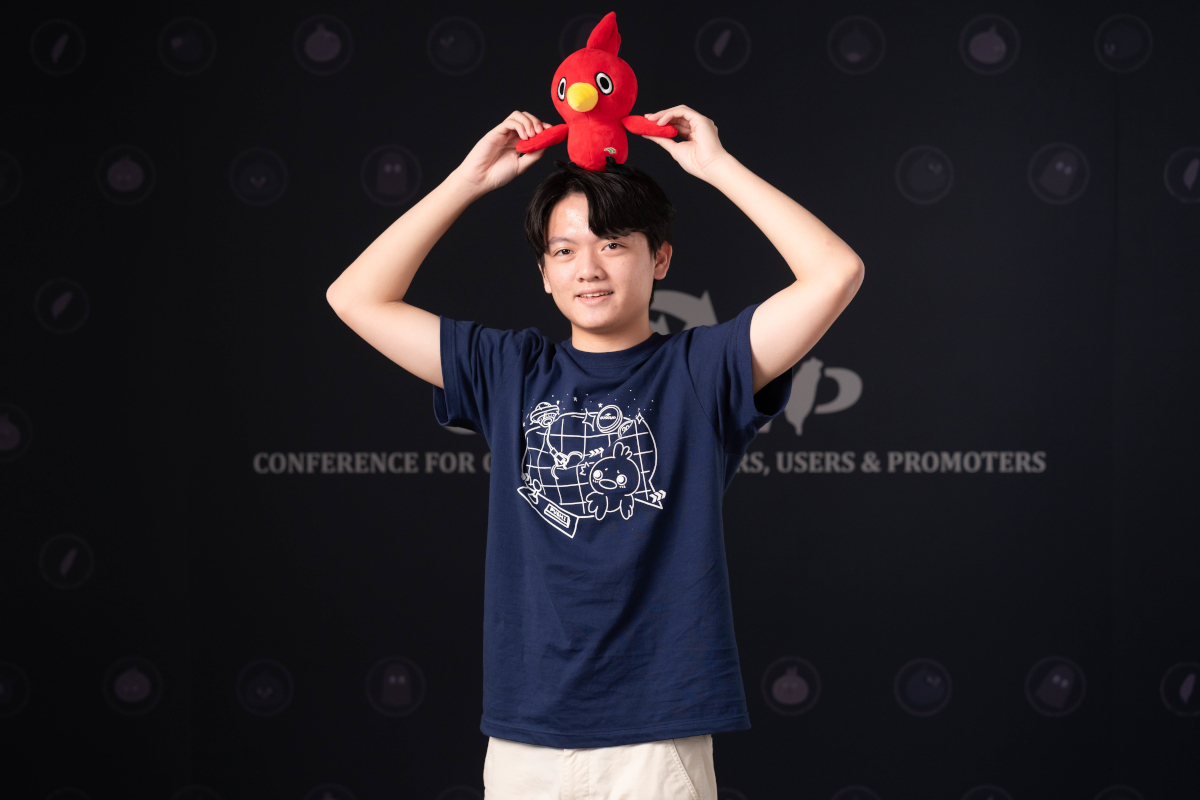
蘇恩立 (Su En-Li, NZ) is currently a third-year undergraduate student in the Department of Computer Science and Information Engineering at National Taiwan Normal University. With a strong interest in information security and network governance, he is currently responsible for operating and maintaining the first Tor node on Taiwan Academic Network (TANet). In addition to hands-on technical practice, he is also dedicated to knowledge sharing, serving as an anonymous network course instructor in the GDGoC NTNU student club. He has long been involved in Taiwan’s open source and information security communities, and has volunteered multiple times at major technical conferences such as SITCON, HITCON, and COSCUP, demonstrating both community service experience and strong technical passion.